Welcome to the official website of Changliharness !
Welcome to the official website of Changliharness !




News information
Unlike chips and motors, wiring harnesses are low-tech, low-margin components made from wires, plastics, and rubber, requiring extensive low-cost manual labor. Yet, they serve as critical connectors in automotive electrical systems, linking various electronic circuits within vehicles.
Different car models employ distinct wiring harness designs, with each variant being virtually unique, making rapid production transfer challenging. Ukraine, a major hub for wiring harness manufacturing, supplies harnesses for hundreds of thousands of new vehicles annually.
Its supply constraints have led some industry insiders to believe that it may accelerate the decline of internal combustion engine vehicles.
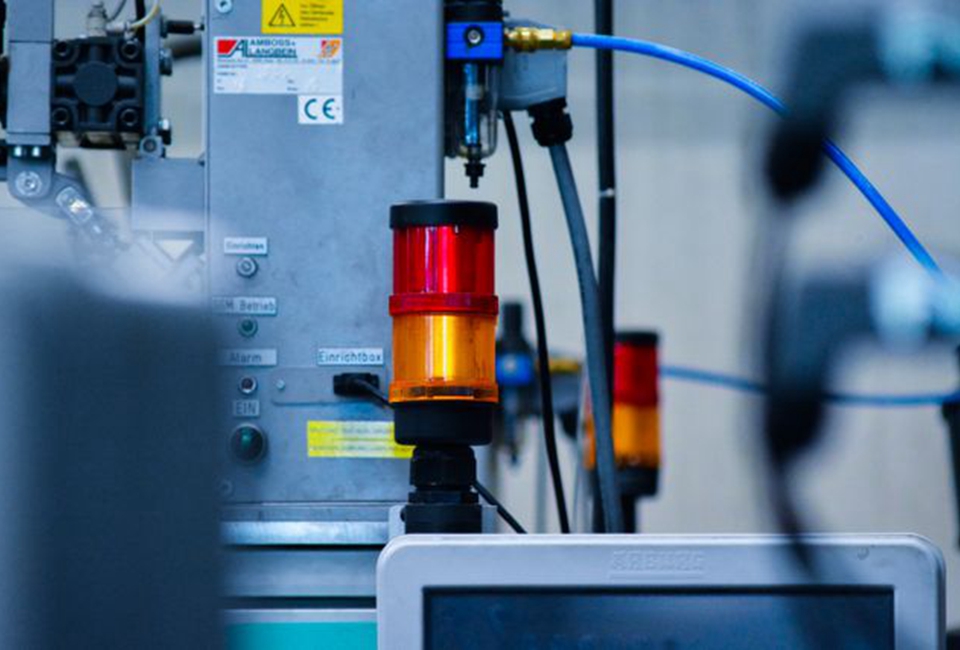
Traditional automotive wiring harnesses are labor-intensive products, whereas those for electric vehicles are relatively lighter and can be manufactured by machines, thereby freeing them from reliance on manual labor.
Sam Fiorani, head of the automotive industry analysis firm AutoForecast Solutions, said, "This is just another reason for the industry to accelerate its transition to electric vehicles."
Currently, gasoline-powered cars still dominate global new vehicle sales, but according to JATO Dynamics, electric vehicle sales doubled last year, though their share remains below 6%.
Reshaping the value chain of wire harness processing: Focusing on the new forces of intelligent manufacturing at the 2026 Munich Shanghai Electronic Production Equipment Exhibition
The high-speed transmission of automotive wiring harnesses to FAKRA/on-board Ethernet and the upgrade of high-voltage and high current for new energy are the most rigid technological propositions in the industry.
Cai News, May 30 (Editor: Ma Lan) Last week, Volkswagen CEO Herbert Diess stated during the Davos Forum that he had observed "significant improvement"




 chat now
 Inquiry Now
 product